Brick That Has Failed Needs More Than Patching
Brick repair and brick step repair in Brandon for loose bricks, deteriorated mortar joints, and front entries showing visible structural damage
Front brick steps that have settled, separated, or developed loose treads are a liability and a structural problem before they are an aesthetic one. In the older brick homes and commercial buildings concentrated in higher-end areas of Brandon and Madison, damaged steps, crumbling mortar joints, and displaced brick units are the predictable result of decades of thermal cycling through the masonry assembly and the natural erosion of lime-based mortar. What you notice first—a rocking tread, a horizontal crack across the riser face, a brick that has shifted out of plane—tells a trained eye what is happening below the visible surface. John Douglas Masonry recently completed a front brick step repair that had deteriorated to the point of being unsafe, finishing on schedule and under the original budget estimate, which reflects how this work is scoped and managed.
The repair process begins with a condition assessment of both the brick units and the mortar joints. Damaged bricks are removed carefully to avoid disturbing adjacent units that remain sound, then reset or replaced with materials matched to the original in size, texture, and color. Mortar joints are repointed to the original joint profile and specification, not filled flush and painted over, which is the shortcut that fails within a few years because it does not restore the joint's function. John Douglas Masonry handles residential and commercial brick repair and is fully insured, which matters when work is being done on occupied buildings or properties where liability for adjacent damage needs to be clearly assigned.
Submit photos of the damaged brick area for a quote, or schedule an on-site inspection to review the full condition before a repair scope is set.
The primary distinction in brick repair quality is mortar. Mortar selection has to account for the age and hardness of the surrounding brick—applying a high-Portland modern mortar to soft historic brick creates a joint that is harder than the brick unit itself, and thermal movement will fracture the brick face rather than the sacrificial joint. John Douglas Masonry matches mortar composition to the existing assembly, which is the decision point that determines whether a repoint holds for decades or begins to pop and separate within a few seasons.
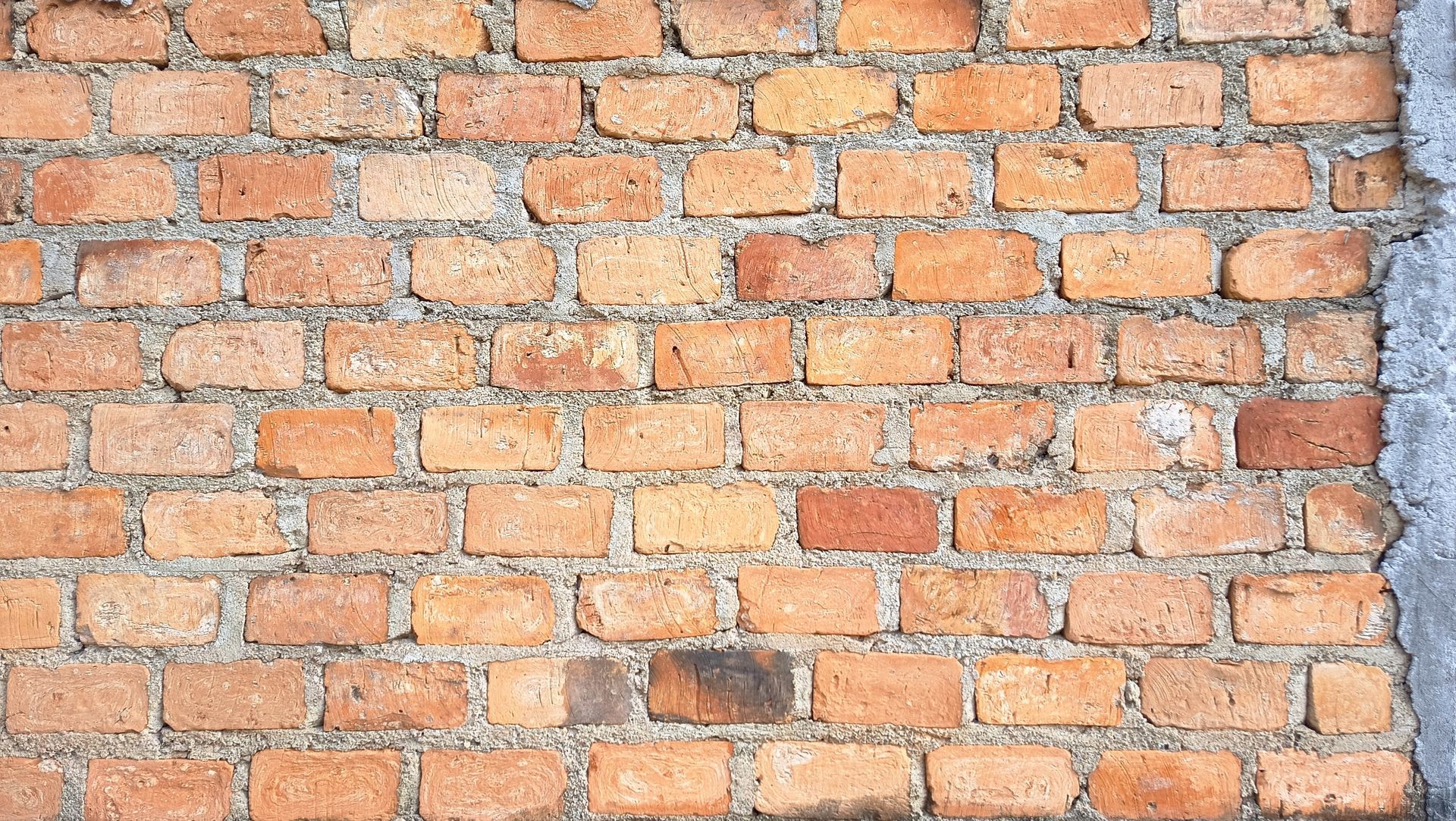
After brick repair is completed, the visible changes are specific: mortar joints are uniform in depth and profile, brick faces are intact and in plane, and step treads that were loose are set solid with no movement underfoot. Water infiltration pathways through failed joints are closed, which stops the interior moisture damage that often accompanies deteriorated exterior brick. On front entries and steps specifically, the structural stability is immediately testable—there is no rocking, no flex, and no audible movement when weight is applied to the repaired area.
Not every brick problem requires full replacement. Selective unit removal and reset is appropriate when the surrounding assembly is sound, and it is significantly more efficient than rebuilding entire sections. The assessment determines which approach applies to your specific situation, and the scope reflects what is actually needed rather than a maximum intervention.
Common Questions About Brick Repair and Step Work
Brick repair decisions depend on the condition of both the units and the mortar, and on how the damage pattern developed in the first place. The questions below address the technical side of brick repair as it applies to the older residential and commercial properties common in the Brandon area.
How do you know whether a damaged brick can be reset or needs to be replaced?
A brick that has fractured through its face or has suffered spalling loss across more than roughly a third of its surface area typically needs replacement because there is not enough material left to accept mortar and bond correctly. Bricks that have simply shifted or been dislodged from a failed mortar joint can often be reset in place using matched mortar if the unit itself is structurally intact.
What does repointing a mortar joint actually involve, and why does it matter?
Repointing requires raking out the deteriorated mortar to a minimum depth—typically three-quarters of an inch—before new mortar is packed in. Applying new mortar over the surface of old mortar without raking creates a bond that fails quickly because the new material has no mechanical key into the joint. Proper depth and tooling are what give a repointed joint the compression and weather resistance to function correctly.
Why do brick steps in older Brandon homes tend to fail at the front edge of the tread?
Tread edges on brick steps take the direct impact of foot traffic and shed water across their face. In assemblies built without adequate mortar coverage on the bed joint below the tread unit, that concentration of load and moisture causes the mortar to erode faster at the front, eventually allowing the tread to tip forward or separate.
When is brick color matching possible and when is it a compromise?
Matching brick color depends on whether the original unit is still being produced or can be sourced from salvage. Many brick types used in Brandon's older residential construction from the mid-twentieth century are no longer standard production items, which means salvage sourcing or selecting the closest available match. The repair scope and visual priority determine which approach is appropriate for your project.
What should be checked after brick repair to confirm the work is complete?
Check that all repointed joints are fully packed with no voids visible at the face, that reset or replaced bricks sit flush and in plane with the surrounding wall, and that step treads produce no movement or sound when loaded. Mortar should be tooled to match the existing joint profile rather than struck flat or convex, which affects both water shedding and appearance.
John Douglas Masonry also performs brick repair in Pearl, Madison, Flowood, Ridgeland, and Jackson. To review your brick steps or wall condition and get a quote based on photos or an on-site visit, call (601) 316-0980.