Fire Pits Built for Lasting Outdoor Use
Fire pit construction in Brandon for outdoor entertaining spaces where materials, placement, and code compliance determine durability and safety
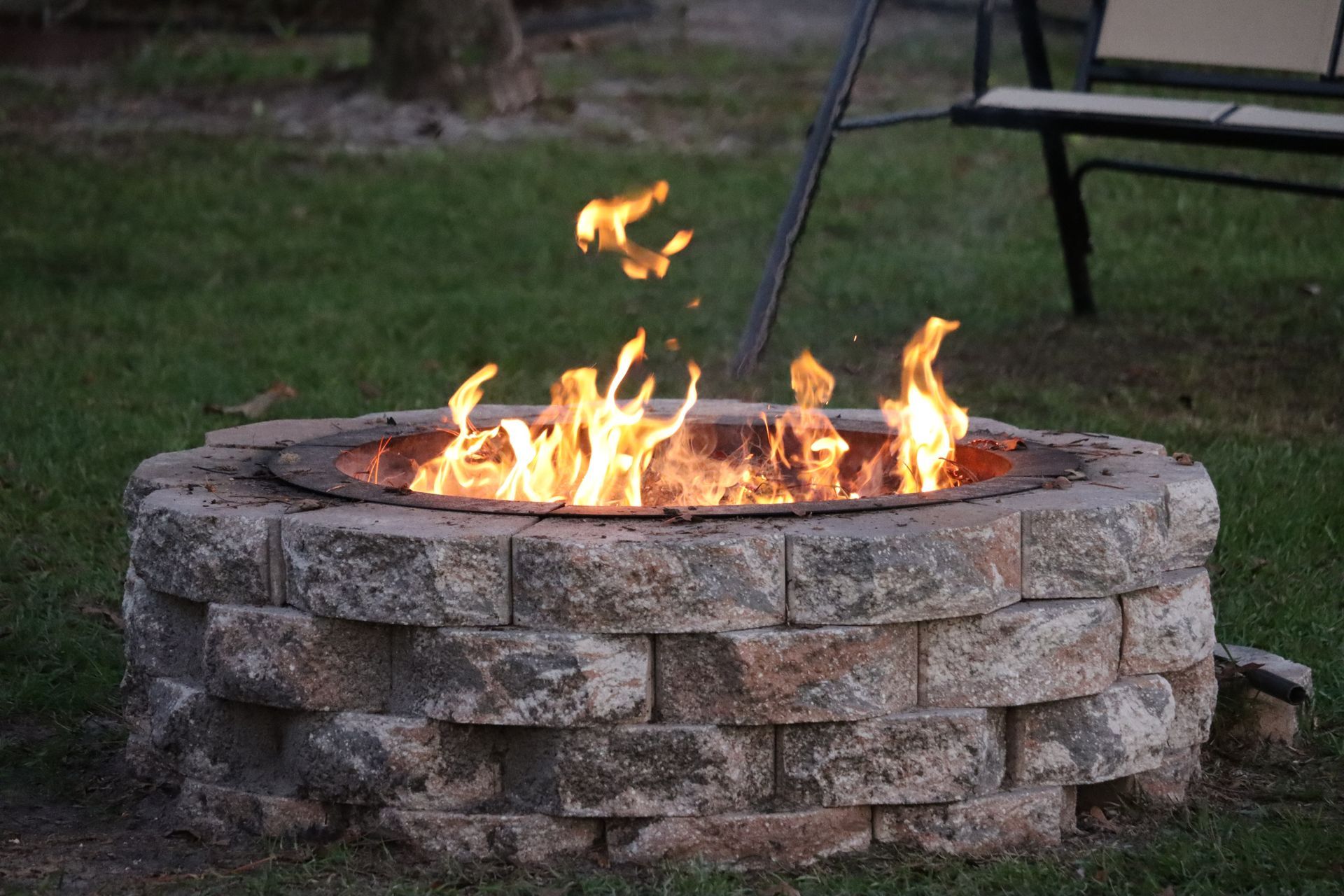
A custom fire pit that settles, cracks at the mortar joints, or shifts out of level within two seasons is the result of material selection and base work that did not match the demands of the application. John Douglas Masonry builds stone and brick fire pits for residential and commercial properties in Brandon, handling consultation through completion for projects where durability and appearance both matter. High-end residential yards in this area are frequently used for entertaining, and the fire pit is typically a centerpiece of that space—which means construction shortcuts show up in visible, frustrating ways within a relatively short time.
The process starts with a consultation on pit size, placement, and materials. Stone and brick each have different structural and thermal behaviors, and the choice affects both how the pit looks and how it holds up under the repeated expansion and contraction that fire creates over time. Placement is assessed for safe distance from structures, overhead clearance, and the relationship to other hardscape elements already on the property. Quotes are developed from photos or an on-site visit, and the finished pit is code-compliant and ready for use when the job is complete.
Arrange a consultation to discuss placement, size, and material options for your property.
Stone and brick respond differently to the thermal cycling that fire pits experience every time they are used—fired brick and natural stone that are rated for high heat resist the surface spalling and joint failure that standard construction materials develop after repeated heating and cooling. John Douglas Masonry's 30 years of masonry and stone work includes both residential and commercial fire pit projects, and that background informs material selection in a way that goes beyond visual preference to the actual behavior of the material under working conditions.
After completion, the pit sits level and stable with mortar joints intact throughout the interior and exterior surfaces. You will notice the structure does not rock or shift when weight is applied to the cap or seating edge, and the joints show no open gaps that allow moisture to enter and accelerate cracking. The site is cleaned on completion, and the structure is ready for immediate use with no curing wait required for the external masonry.
Projects in this category have consistently finished on the schedule established at the start of the job, and customers have reported final charges at or below the original quote—a pattern that reflects accurate scoping at the estimate stage. Both residential yards and commercial outdoor areas qualify for the same consultation and construction process.
Common Questions About How This Work Is Done
The questions below cover the construction process, material behavior, and decisions that affect whether a fire pit holds up correctly over years of use. Understanding these specifics helps property owners evaluate what separates a durable installation from one that develops problems early.
What makes stone or brick a better choice than prefabricated fire pit kits for a permanent installation?
Masonry fire pits are built to the specific dimensions and height of your space and use materials that are selected for thermal performance, whereas prefabricated kits are manufactured to standard sizes and use materials that may not be rated for the heat exposure a regularly used pit generates.
How does the placement of a fire pit affect the construction approach?
Distance from structures, overhead obstructions, and proximity to existing hardscape all affect code compliance, airflow, and the sequencing of the installation—placement is determined before any material is ordered or laid so the finished pit functions correctly within the full outdoor space.
What happens to mortar joints in a fire pit that was built without heat-rated materials?
Standard mortar breaks down under repeated high-heat exposure, leading to open joints, structural loosening of individual stones or bricks, and surface spalling on the interior walls of the pit.
How does the crew assess the scope of a fire pit project before work begins?
An on-site visit or a review of detailed photos allows the crew to evaluate the installation surface, measure for placement, and confirm material quantities, which is what produces an accurate quote before any work starts.
What does a completed fire pit look like when the construction is done correctly?
Joints are consistent and fully filled throughout the structure, the cap sits level with no rocking, and the interior surface shows no cracked or spalled material—these are visible indicators that materials and methods were appropriate for the application.
John Douglas Masonry also builds fire pits in Pearl, Madison, Flowood, Ridgeland, and Jackson. To discuss your project, submit photos or request an on-site visit to review placement and material options.