Stonework Built to Last in Your Yard
Patio construction in Brandon for properties where base failure causes settling, uneven surfaces, and drainage problems near the structure
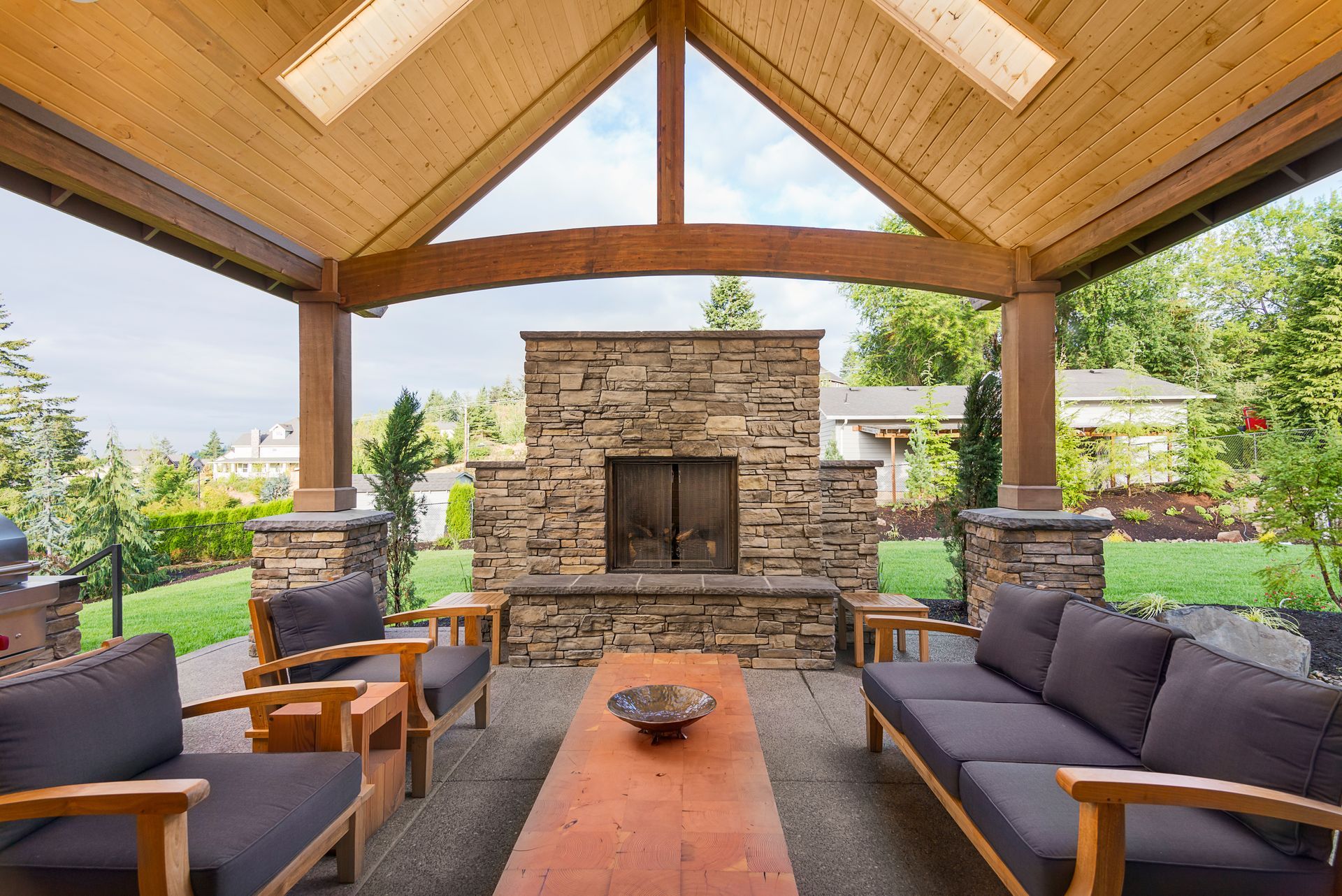
John Douglas Masonry builds custom stone and paver patios for residential and commercial properties in Brandon, approaching each job with the base preparation that determines whether a patio holds its level for decades or begins shifting within a few seasons. Larger yards on upscale residential properties call for more than material choices—they require grading and compaction work done before the first stone is set. Homeowners who have watched a previously installed patio sink or separate at the joints are almost always looking at a base that was rushed or skipped entirely.
The process begins with proper grading so water moves away from your home's foundation rather than pooling beneath the surface material. Compaction follows before any stone or paver is placed, and the laying method—sand-set or mortared—is matched to the specific application and load the surface will carry. Joints are kept consistent throughout, and edging is installed to frame and stabilize the finished area. Every phase of this process affects whether the patio remains level and functional, not just how it looks on completion day.
Schedule a site consultation to review grading, material options, and layout for your property.
When stone or pavers are laid directly over poorly prepared or uncompacted ground, the surface settles unevenly as the material beneath it shifts under load and drainage pressure. John Douglas Masonry's 30-year focus on patio and hardscape construction means the base work—grading, compaction, and appropriate drainage slope—is treated as the foundation of the project, not a preliminary step to move past quickly. That approach is what separates a patio that holds its level through years of use from one that develops low spots, rocking pavers, or wide joint gaps within a few seasons.
Once complete, you will notice the surface sits consistently level with no rocking underfoot, joints are uniform in width across the entire area, and water does not collect near the structure after rain. Edging holds the perimeter in place so individual stones or pavers do not migrate outward over time. The site is cleaned before the crew leaves, and the space is ready for use on the completion date stated at the start of the job.
Material selection between natural stone and pavers affects both finished appearance and the mortaring approach used, and that decision is part of the initial consultation rather than something decided after work begins. Quotes are generated from photos or an on-site visit, and customers have consistently reported final charges at or below the original estimate—a pattern that reflects 30 years of accurate project scoping rather than a promotional claim.
What Property Owners Ask About Patio Work
The questions below address how patio construction actually works—the process, materials, and decisions that determine whether the finished surface performs correctly. Brandon-area properties with larger lots and high-end finishes often involve more complex grading considerations, which makes these construction details especially relevant.
What causes a patio to settle or develop uneven spots after installation?
Settlement almost always traces back to insufficient base compaction or incorrect grading before the surface material was laid—when the ground beneath shifts under load or retains water, the stones or pavers above it follow.
How do you determine whether sand-set or mortared installation is appropriate for a patio?
The decision depends on the surface material, the anticipated load, and the design of the joints—mortared joints perform better in areas with heavy foot traffic or where very tight joint lines are part of the finished look, while sand-set systems allow for minor adjustment and are appropriate in many residential applications.
What role does edging play in keeping a patio stable over time?
Edging locks the perimeter stones or pavers in place so individual units cannot migrate outward as the surface is loaded and unloaded, which prevents the widening gaps and rocking that appear when edge restraint is missing or inadequate.
How does proper grading protect the structure adjacent to the patio?
Grading establishes a slope that directs surface water away from the home's foundation or building edge—when this step is skipped, water moves toward the structure rather than away from it, which creates both drainage problems and long-term base instability under the patio itself.
What should the surface look like once the work is finished and the crew has left?
A correctly completed patio sits fully level with no rocking underfoot, shows consistent joint width throughout, and has a clean perimeter where the edging follows the intended layout without gaps or deviations from the plan.
John Douglas Masonry also builds patios in Pearl, Madison, Flowood, Ridgeland, and Jackson. To get a quote based on your property's layout and material preferences, submit photos or arrange an on-site measurement with the crew.