Driveways Poured to Hold Their Grade
Concrete driveways in Brandon for residential and commercial properties where cracking, settling, and surface deterioration reduce function and curb appeal
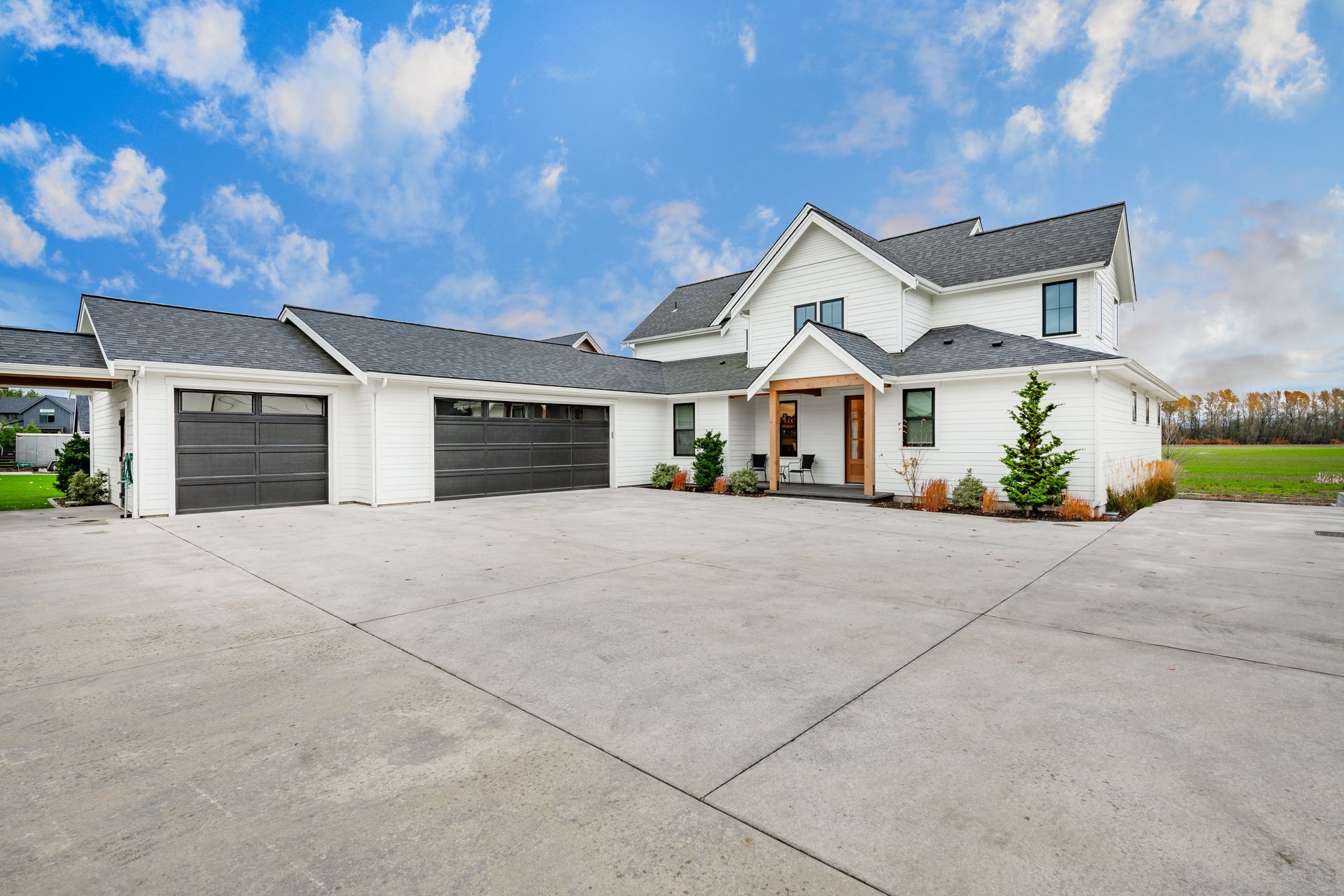
The neighborhoods around Brandon include high-end residential properties where a driveway carries both functional and visual weight—it handles daily vehicle loads while also framing the approach to the home. Concrete driveways in these settings need to perform under regular use without developing the surface cracking, joint separation, or uneven panels that follow a pour that skipped proper site assessment and soil evaluation. John Douglas Masonry pours concrete driveways for residential and commercial properties in Brandon, completing each job on schedule and at or below the estimate established before work begins.
Every driveway project starts with a site visit or photo-based assessment where the crew measures the area, evaluates existing surface conditions, and reviews what is underneath. Driveways are finished and ready for use upon project completion. The assessment phase is where scope and quote are confirmed, which eliminates the gap between what was estimated and what gets charged—a pattern that holds across both residential driveways and larger commercial pours.
Submit photos or schedule a site visit to receive a detailed quote based on your driveway's current condition and dimensions.
Concrete driveways develop cracking and panel settlement most often because the base beneath them was not evaluated or prepared before the pour—when the material beneath the slab is inconsistent or not compacted, the concrete above it has no stable platform and flexes under load until it cracks. John Douglas Masonry's 30 years of concrete and masonry work on both residential and commercial projects means the assessment before a pour includes the sub-base condition, not just the surface dimensions. That step determines slab thickness, joint placement, and whether any base correction is needed before concrete is placed.
A correctly poured driveway shows no surface cracking in the weeks and months after the pour cures, panels remain level relative to one another at the joints, and the surface drains water to the edge without pooling. You will also notice that the finished edges are consistent and clean, which is the visible indicator that formwork was set accurately and the pour was managed correctly through to the finishing stage.
Driveways vary in thickness requirements depending on whether they serve residential passenger vehicles or commercial applications with heavier load cycles, and that variable is addressed during the initial assessment rather than defaulted to a single standard across every job. Residential and commercial projects both qualify for the same site-visit or photo-based quoting process.
Questions Before Starting Your Project
The questions below focus on how concrete driveway construction actually works—what happens before, during, and after the pour that determines whether the finished surface holds up correctly. Driveways on high-end residential properties in the Brandon area often involve larger spans and more complex site conditions, making these process details worth understanding before work begins.
How does the crew assess the site before pouring a concrete driveway?
The crew measures the area, evaluates existing surface conditions, and reviews the sub-base material to determine whether any base correction is needed—this assessment drives the quote and confirms slab thickness before the pour begins.
What causes concrete driveway panels to crack at the joints after a few years?
Panel cracking at joints usually follows from inconsistent base support beneath adjacent slabs—when one section sits on denser material than the next, the two panels settle at different rates and the joint opens under the resulting differential movement.
Why is joint placement important in a concrete driveway pour?
Control joints are cut or formed at calculated intervals to direct where the concrete relieves internal stress as it cures, which concentrates any minor cracking at the joint rather than allowing it to run unpredictably across the slab surface.
What determines the correct thickness for a residential versus commercial driveway slab?
Slab thickness is determined by the maximum vehicle weight the driveway will carry—residential passenger vehicle traffic typically requires a thinner slab than a commercial application handling delivery vehicles or heavy equipment, and mixing those standards creates either an over-engineered or structurally inadequate pour.
What does the finished driveway look like when the work has been done correctly?
Panels are level relative to one another at every joint, the surface is free of cracking through the cure period, edges are consistent and clean across the full perimeter, and water drains to the side rather than sitting in low spots across the slab.
John Douglas Masonry also pours concrete driveways in Pearl, Madison, Flowood, Ridgeland, and Jackson. Contact the crew directly at (601) 316-0980 to arrange a site visit or submit photos for a detailed quote.